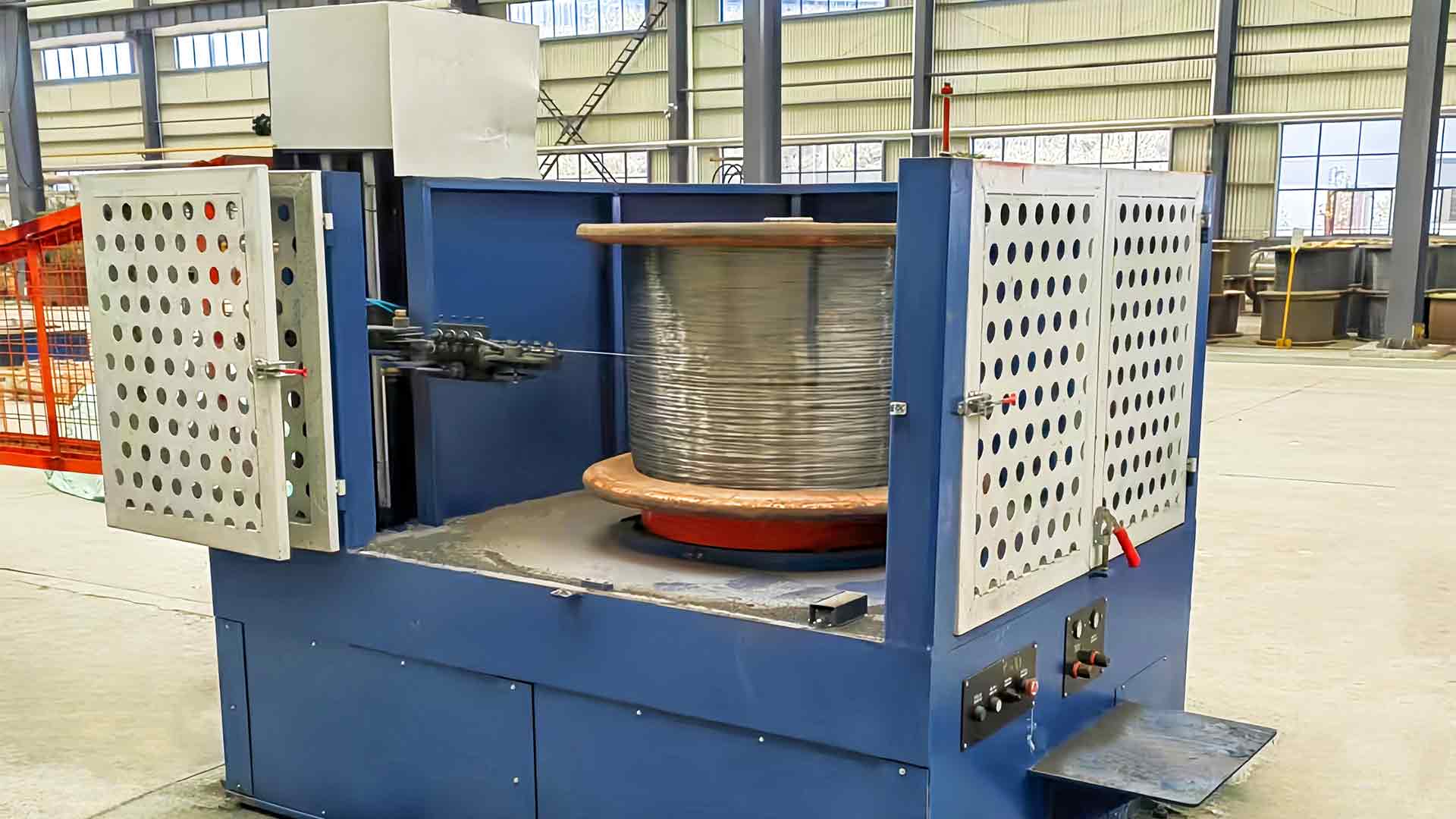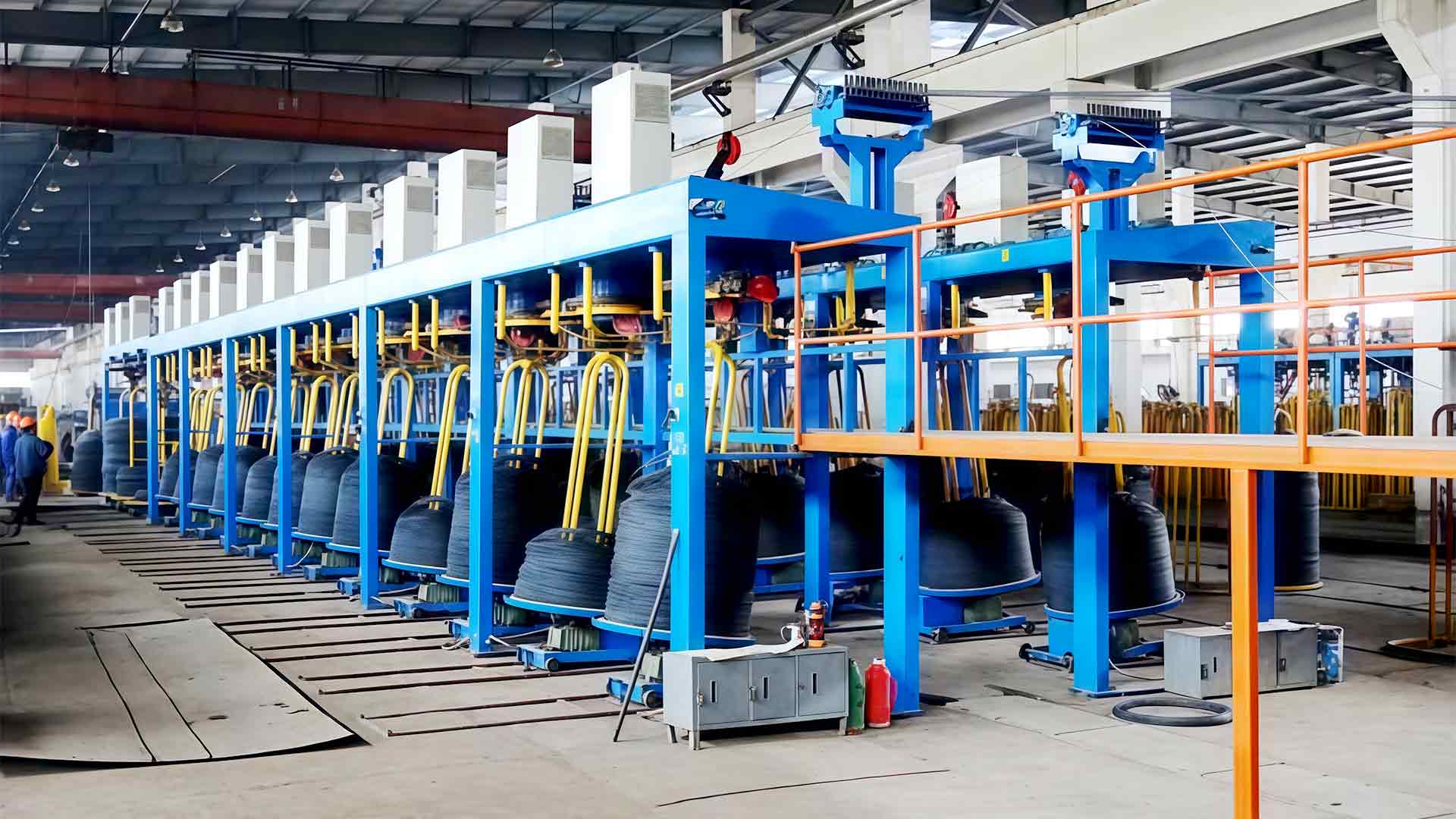

The noise level of an enclosed Nail Making Machine is significantly lower than that of an open-frame Nail Making Machine. In practical industrial environments, an enclosed structure typically reduces noise by 10 to 20 dB, making it far more suitable for continuous indoor operation. In contrast, an open-frame design exposes mechanical impacts and wire cutting sounds directly to the environment, often reaching 85–95 dB, while an enclosed system usually operates around 70–78 dB. This difference is not minor—it directly affects operator comfort, compliance with occupational safety standards, and long-term productivity.
For users of a wire nail making machine, the enclosed configuration is generally recommended when the production environment requires noise control, while open-frame machines are more suitable for cost-sensitive or outdoor installations where noise is less regulated.
Why Open-Frame Nail Making Machine Produces Higher Noise Levels
The open-frame Nail Making Machine design exposes all moving components, including the stamping system, cutting blades, and feeding rollers. Each mechanical impact generates airborne sound without any barrier for absorption. In a typical wire nail making machine, the hammering and cutting process alone can generate peak noise above 90 dB, especially during high-speed production cycles.
Another contributing factor is vibration transfer. Open-frame systems often lack acoustic insulation panels, allowing structural vibration to radiate freely into the surrounding air. This not only increases perceived noise but also amplifies low-frequency mechanical hum. Additionally, the absence of sound-dampening enclosures means that operator exposure is direct and continuous.
- Direct exposure of cutting and stamping sounds increases noise intensity
- Lack of acoustic panels leads to uncontrolled sound propagation
- Structural vibration amplifies low-frequency noise
How Enclosed Nail Making Machine Reduces Noise Effectively
An enclosed Nail Making Machine uses a fully or semi-closed acoustic housing structure designed to absorb and reflect sound waves internally. The enclosure panels are typically lined with industrial-grade soundproofing materials that reduce mechanical noise transmission by up to 20 dB. This makes a wire nail making machine significantly quieter during continuous production cycles.
The enclosed design also minimizes vibration leakage by isolating the machine frame from external contact surfaces. In many advanced models, damping pads and reinforced steel casings are used to further stabilize the system. As a result, not only is noise reduced, but machine stability is improved, leading to smoother operation.
- Acoustic insulation panels absorb high-frequency noise
- Sealed housing prevents sound leakage
- Vibration isolation reduces structural noise transfer
Decibel Comparison and Operational Impact
The difference in decibel levels between enclosed and open-frame Nail Making Machine systems can be clearly demonstrated through typical industrial measurements. This comparison highlights why enclosure design is critical in modern production environments.
| Machine Type | Noise Range (dB) | Operator Comfort Level | Recommended Environment |
|---|---|---|---|
| Open-Frame Nail Making Machine | 85–95 dB | Low | Industrial workshop / outdoor |
| Enclosed Nail Making Machine | 70–78 dB | High | Indoor controlled facility |
From an operational perspective, reducing noise below 80 dB is crucial for long-term occupational health. Many factories operating a wire nail making machine in enclosed configurations report improved worker focus and reduced fatigue over extended shifts.
Practical Considerations for Selecting the Right Nail Making Machine
Choosing between an enclosed and open-frame Nail Making Machine depends on production scale, regulatory requirements, and working environment. While open-frame machines offer easier maintenance access, they lack noise control advantages. Conversely, enclosed systems provide superior acoustic performance but may require additional setup space and ventilation planning.
For users of a wire nail making machine operating in urban or indoor factories, enclosure is often essential to meet workplace safety regulations. In contrast, rural or large-scale industrial zones may prioritize cost efficiency and choose open-frame designs despite higher noise levels.
- Enclosed machines prioritize compliance and worker comfort
- Open-frame machines prioritize accessibility and lower cost
- Noise control should be matched with production environment needs
Noise Reduction Strategies for Wire Nail Making Machine Operations
Even when using an open-frame Nail Making Machine, noise levels can be partially mitigated through engineering and environmental adjustments. Industrial operators often combine multiple strategies to reduce exposure and improve working conditions.
For example, installing acoustic barriers around a wire nail making machine can reduce noise reflection, while vibration damping pads under the machine frame can lower structural resonance. Regular maintenance also plays a role, as worn cutting components tend to increase noise significantly.
- Install soundproof enclosures or acoustic curtains
- Use vibration isolation pads under machine base
- Maintain cutting tools to reduce mechanical impact noise
- Optimize production speed to avoid excessive peak noise
When properly implemented, these measures can reduce perceived noise by 5–15 dB, significantly improving the usability of an open-frame system while approaching the performance of an enclosed design.